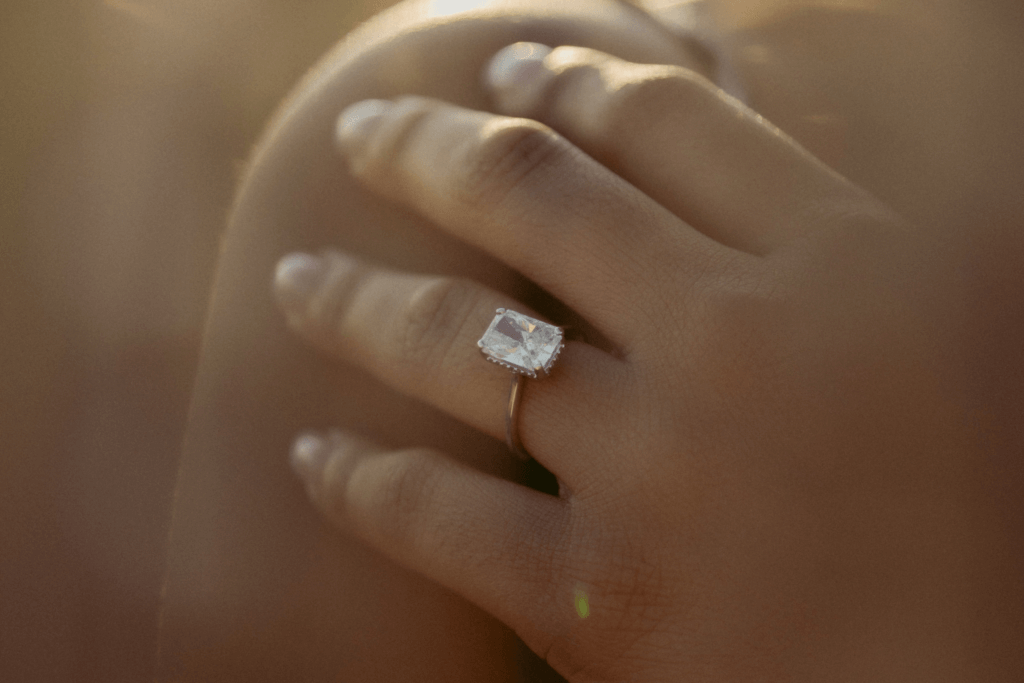

Understanding the Appeal of a trilogy diamond ring
Choosing a trilogy diamond ring is a meaningful decision for many couples. The unique design of three stones symbolizes past, present, and future, making this style particularly romantic. In recent years, the rise of lab grown diamonds has changed the landscape of engagement jewelry, offering an ethical and affordable alternative to traditional mined stones. Lab grown diamonds are chemically identical to their natural counterparts, with the same brilliance and durability, but often at a fraction of the price. Understanding why people are drawn to these pieces can help you decide what best fits your style and values.
The Design and Symbolism
At the heart of every trilogy diamond ring design are three stones meticulously set to enhance light return and visual balance. The trio of stones not only provides striking aesthetics but also carries deep symbolism that resonates with couples worldwide. Whether set with matching diamonds or paired with colored gemstones, the arrangement tells a story. Furthermore, advances in technology mean that many customers now choose lab grown diamonds for the center or accent stones, blending tradition with innovation.
Why Consider Lab Grown Diamonds?
One of the primary reasons buyers are interested in lab grown diamonds is cost-effectiveness. Compared to traditional mined stones, lab grown diamonds typically offer more size and quality for the same budget. In addition, choosing lab grown diamonds aligns with ethical considerations that many modern consumers value, as they are created without the environmental and social concerns associated with mining. These benefits have made them particularly appealing for engagement rings and other special jewelry.
Customization and Personal Expression
Customization plays a huge role when selecting a trilogy diamond ring that reflects personal taste. Many couples choose different stone shapes or mix diamond and gemstone accents to create a look that feels unique. For example, pairing a round center stone with tapered baguettes can deliver a timeless silhouette, while colored side stones lend a contemporary twist. Whether you prefer classic elegance or bold statements, a skilled jeweler can help bring your vision to life.
Caring for Your Jewelry
Proper care ensures that a trilogy diamond ring remains radiant for generations. Clean your ring regularly with gentle solutions approved for diamonds, and have it professionally inspected at least once a year to maintain settings and prongs. When not wearing your piece, store it in a soft pouch or dedicated jewelry box to prevent scratches. Being mindful of daily wear will help preserve the brilliance that initially drew you to this design.
Historical Context of Multi-Stone Rings
Multi-stone rings have been cherished throughout history, appearing in royal collections and artistic portraits from various eras. The concept of symbolic jewelry evolved over time, with different cultures attributing meanings to the number and arrangement of gems. Three-stone arrangements, in particular, gained prominence during the Victorian era, when sentimental jewelry was widely exchanged among lovers and family members. Artisans developed intricate settings to hold these gems securely while maximizing their sparkle, leading to enduring popularity in wedding and anniversary traditions.
Comparing Traditional and Modern Gem Materials
When exploring options for engagement jewelry, it is essential to understand the differences between conventional mined stones and those produced through contemporary laboratory techniques. Traditional stones often carry romantic allure due to their geological origins, yet they can also come with concerns over sourcing practices and market volatility. In contrast, stones cultivated in controlled settings benefit from transparency in production and often deliver similar optical properties at more predictable prices. Assessing your personal priorities—whether ethical sourcing, budget constraints, or design flexibility—will guide your selection process.
Budgeting and Value Over Time
Planning your budget involves balancing aesthetic desires with financial prudence. Establish a clear spending range before visiting showrooms, and be open to discussing alternatives that offer greater size or quality without significant cost increases. Keep in mind long-term value; timeless pieces tend to retain emotional worth even if market valuations fluctuate. Working with reputable vendors who provide certification and transparent pricing allows you to make informed decisions that reflect both sentiment and sensible investment.
Final Thoughts
Ultimately, selecting a piece of fine jewelry is a deeply personal journey. It reflects your narrative, your commitment, and the milestones you celebrate together. By gathering information, seeking trusted guidance, and considering your values, you can choose an item that resonates with your sense of beauty and significance. Whether you lean toward tradition, innovation, or a blend of influences, the perfect choice awaits with careful exploration.
About the Author