
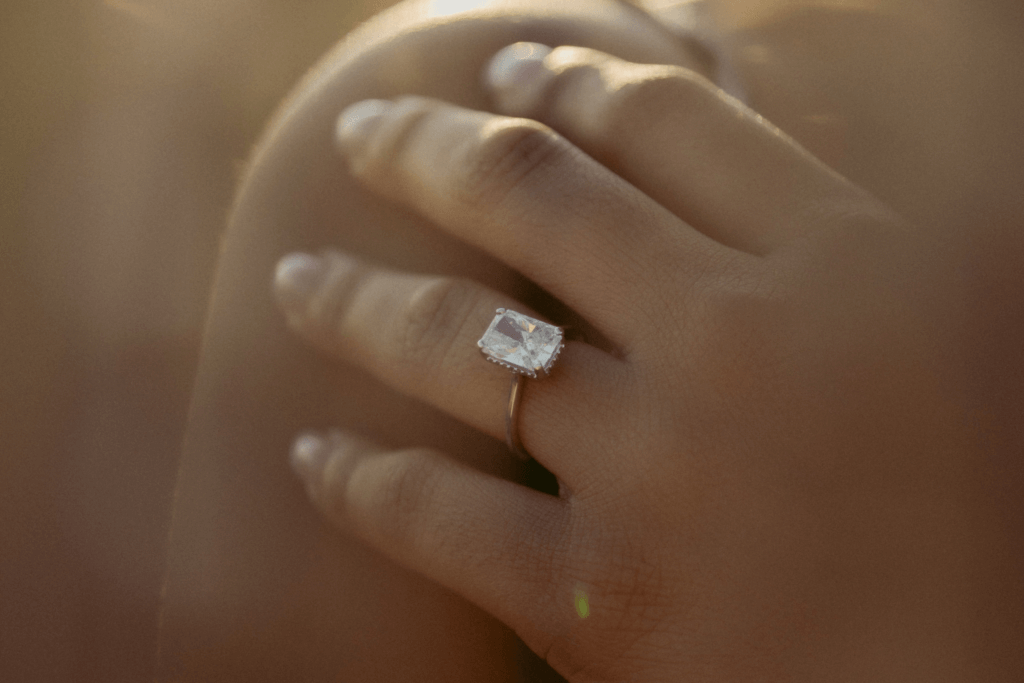
Shimmering stones have long stood for grace, status, and lasting charm. Though plenty of sparkle choices fill shops now, the pendiente diamante – worn on ears – shows up again and again in closets across continents. Mined straight from deep underground rock layers once supplied every stone, but new science changes that story. Created above ground using smart engineering, these lab-born gems bring a fresh path into adornment – one kinder to the planet, lighter on wallets, yet just as radiant.
A single diamond earring catches attention – not just for its sparkle but for what it says about shifting tastes. How these stones come to be might surprise you, starting not underground but inside controlled chambers where carbon takes shape under intense conditions. Their rise isn’t tied to trends alone, yet something deeper – perhaps value, maybe ethics, plays a quiet role. People choose them now more than before, drawn by clarity in both material and intent.
Understanding Pendiente Diamante
A single stone hanging from the ear – that is what pendiente diamante means in Spanish. Beauty meets practicality here, which explains why these pieces show up so often in high-end collections. Some choose them for daily wear, others save them for moments that matter; either way, they fit right into personal styles across settings. Their lasting presence in wardrobes comes down to this balance, nothing more.
There are several popular styles of pendiente diamante:
1. Diamond Stud Earrings
Maybe it’s their clean look that stands out. One stone fixed onto a tiny base, resting right on the lobe. Because they’re quiet yet sharp, people often pick them for everyday use. Simple doesn’t always mean boring – here, it works.
2. Diamond Hoop Earrings
Shining bright, hoop earrings set with diamonds catch the eye in bold ways. Because of their sparkle, they show up regularly at celebrations, evening affairs, or dinners where dressing up matters.
3. drop dangle diamond earrings
Hanging just beneath the ear, these earrings usually sparkle with several stones or detailed patterns. Perfect when worn to a wedding or any dressy occasion.
4. Halo Diamond Earrings
A single diamond sits at the center, with tiny ones wrapping around it like stars. This setup makes the whole piece look bigger, catching light in lively ways. Each small stone adds sparkle without stealing focus. Together, they build an effect that draws eyes naturally. The arrangement feels balanced yet full of movement.
A sparkle catches the eye every time. Tough enough to wear daily, these earrings hold up without fuss. Outfit choices hardly matter – they fit right in. Shine stays strong, season after season.
Laboratory Grown Diamonds Begin to Appear
Earth once held diamonds captive for ages. Only after new science arrived did humans learn to build them instead of dig. Man-made versions, sometimes named lab-created or artificial stones, mirror real ones down to their core traits – same look, structure, feel.
A real diamond can come from a lab just as easily as from deep within the Earth. Not mined, yet identical in structure. One takes eons beneath rock layers to form. The other grows under precise conditions on a workbench. Appearance, hardness, sparkle – no visible gap between them. Origin tells the whole story.
Lab-created stones now appear more often in earrings, thanks to realness and fair practices. What once felt rare grows common through honest methods. Beauty shifts when choices reflect care. Dangle gems change form because people want truth. Earrings evolve not by chance but through conscious picks. Honest making lifts design into new light.
Lab Made Diamonds How They Are Grown
Fabricating diamonds in labs usually follows one of two paths. Starting with a tiny seed crystal, some scientists grow stones by showering it with carbon gas under intense heat. Others pressurize pure carbon until it crystallizes into gem form, mimicking Earth’s mantle conditions deep underground
High Pressure High Temperature
Deep underground, nature builds diamonds slowly. Inside machines, scientists copy that process. Instead of waiting eons, they speed things up. A small piece of diamond goes into a chamber full of carbon. Pressure mounts until it matches the weight of mountains pressing down. Heat rises past fifteen hundred degrees Celsius. At those extremes, carbon begins to change. Slowly, layer by layer, atoms stick to the original fragment. The structure spreads outward like ice on glass. What emerges looks identical to mined stone – but grew in weeks.
Chemical Vapor Deposition CVD
A tiny diamond starts things off inside a sealed space full of gas that holds carbon. As heat kicks in, the gas breaks apart – carbon bits drift down onto the starter piece. Slowly, one slice at a time, those pieces stack up into a real diamond.
A single process yields stones just like Earth-made gems, yet so does the other. Though grown in labs, their inner makeup matches mined ones perfectly.
Laboratory Grown Diamonds Offer Benefits
Fake diamonds are catching on fast these days. Not just cheaper – these stones also ease worries about harm to people and planet.
1. Ethical Sourcing
For years, people have worried about natural diamonds tied to war zones – stones that help fund violent conflicts. Created in labs instead, these stones come from settings where oversight is built into every step.
A growing number of shoppers pick lab made diamonds stones when buying diamond pendants, simply because they care about where things come from. Some find it makes more sense – knowing the origin matters just as much as how it looks on the earlobe.
2. Environmental Sustainability
Out in the open pits, earth gets torn up for diamonds, shaking whole landscapes loose. Where machines dig deep, forests once stood – now silent, gone piece by piece through constant pull of heavy work. Water vanishes into thirsty processes, sucked out just to keep dust down and gears turning. Energy hums nonstop, feeding an appetite that reshapes terrain without asking.
A single diamond grown in a lab often uses less land and water than mining ever does. Because shoppers now pay closer attention to impact, synthetic stones slowly gain ground.
3. Affordability
A surprising perk? Lab-grown stones often come with a lighter price tag. These gems might cost up to almost half less than mined ones that look just as bright and last just as long.
A smaller cost means shoppers can pick bigger stones or better cuts without spending more, opening up fancy pieces to more people.
4. Quality and Consistency
Fewer flaws show up when stones grow indoors, since oversight of tint and cleanliness tightens at every stage. Clarity climbs as a result, simply because conditions stay predictable.
When it comes to diamond pendant styles, steady precision brings striking shine and grace.
Lab Grown Diamonds Compared to Mined Diamonds
A single fact stands out – lab-created stones match mined ones atom by atom. Yet subtle distinctions still exist between them. One comes from controlled settings underground, the other grows in factories above ground. Differences appear under close inspection, even if eyes can’t always tell. Cost paths tend to shift over time, influenced by supply methods. Mining impacts land differently than power-fed chambers do. Long-term value views split among buyers, shaped by preference more than proof
Deep below Earth natural diamonds begin their slow creation across vast stretches of time. Weeks pass before lab-made versions emerge inside controlled spaces above ground. Cost follows a clear pattern with natural stones commanding higher value. The artificial kind often settles at lower price points without long waits. Digging for gems reshapes landscapes leaving visible traces behind. Factory-grown alternatives sidestep heavy land disruption by design. Scarcity defines the unearthed variety simply because nature limits supply. Human-run systems can flood markets whenever output increases happen
Even so, one kind or the other lands on the same scale – cut, color, clarity, then carat count shaping each rating. Though different in origin, they line up under identical rules when judged by experts.
Folks who work with gems sometimes rely on special tools just to tell real diamonds apart from those made in labs.
Laboratory Created Diamonds Suit Pendant Designs
Folks put on diamond earrings a lot, so they better last and hold worth. Because of how often these sparklers see daylight, toughness matters – lab-grown stones fit the scene well when it comes to pendiente diamante pieces; built strong without fading appeal
1. Everyday Luxury
Spending less becomes possible when choosing lab-made stones, opening access to elegant pieces. A smaller price tag means finer looks stay within reach.
2. Larger Stones for the Same Budget
Folks looking at earrings might find they can pick bigger stones without overspending.
3. modern ethical choice
Folks just starting out often care about how things are made, so stones grown in labs feel like a solid fit. Yet.
4. Same Shine Lasts Just As Long
A perfect ten on the Mohs scale – that’s where lab-grown diamonds land, matching their earth-mined counterparts. Because of this toughness, they handle daily use without trouble.
The Future of Lab-Grown Diamond Jewelry
A fresh wave of sparkle hits shelves – lab-made stones now pop up everywhere. Thanks to smarter methods plus cheaper runs, they’re showing up more often in storefronts across continents.
About the Author


